Jewelry Card Holder Templates: Streamline Your Brand Packaging
When you are running a jewelry business, the unboxing experience is just as crucial as the product itself. However, designing packaging from scratch is a massive time sink that most small business owners simply cannot afford. This is where Jewelry Card Holder Templates come into play. These aren't just static files; they are comprehensive design assets created to bridge the gap between a raw idea and a professional, retail-ready product. By utilizing a digital item like this, you bypass the weeks of back-and-forth with graphic designers and the steep learning curve of complex software. Instead, you get an instant download that acts as a foundation for your brand identity, allowing you to focus on what you do best: creating beautiful accessories.
Please note: THIS IS A DIGITAL ITEM. NO PHYSICAL ITEM WILL BE SHIPPED TO YOUR HOME. This distinction is vital because it means you have immediate access to your files the moment you complete your purchase. There is no waiting for shipping, no tracking numbers to check, and no risk of lost mail. You can be working on your packaging design within five minutes of buying the template. This is the ultimate time-saver for small business owners, crafters, and busy designers who need to move fast in a competitive market.
The Anatomy of Modern Packaging Design
Visual hierarchy is everything in packaging design. A jewelry card needs to hold a necklace or pair of earrings securely, but it also needs to communicate your brand's personality instantly. These templates are built for ease and flexibility. You aren't stuck with a generic layout. Instead, you can customize everything from colors and text to images, making the design instantly match your brand. Whether you are a minimalist designer who prefers clean lines and sans serif typography, or a crafter who loves ornate details and script fonts, the template adapts to your vision.
The visual characteristics of a well-designed jewelry card are subtle but powerful. They rely on modern typography to ensure readability and visual hierarchy to guide the customer's eye. For example, your brand name might be set in a bold display font to establish brand recognition, while the material details or care instructions are set in a legible sans serif font. This contrast creates a balanced composition that feels professional rather than amateurish. By using these templates, you are essentially adopting a pre-balanced layout that you can tweak to perfection, ensuring your brand identity remains consistent across every single card you produce.
Practical Applications and Versatility
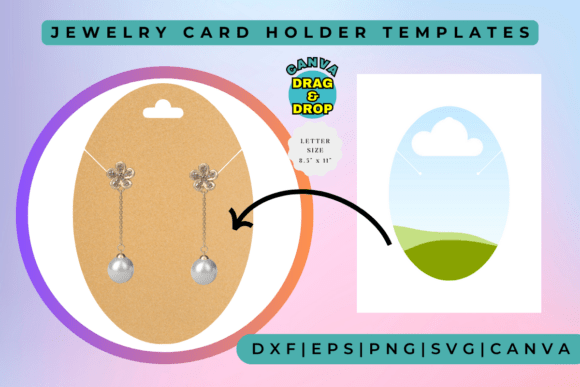
The versatility of these Jewelry Card Holder Templates extends far beyond just holding earrings. Because the file formats are so varied, they function as comprehensive design assets for your entire business ecosystem. The primary deliverable is usually a CANVA link, which is perfect for the modern entrepreneur who needs to make quick edits on the fly without opening heavy desktop software. Canva allows you to drag and drop your own logo design elements, adjust the kerning of your text, and swap out background colors in real-time.
However, the utility doesn't stop at the editing phase. The package includes multiple formats to support your production workflow:
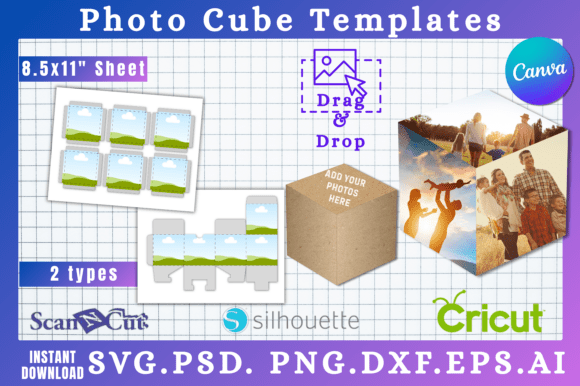
- SVG and DXF Files: These are essential for anyone using cutting machines like Cricut or Silhouette Studio. If you are a small business owner doing in-house production, these vector files ensure that the cut lines for the jewelry slits are mathematically perfect, preventing tearing or misalignment.
- PNG Files: These high-resolution images with transparent backgrounds are perfect for digital marketing. You can drop the image of a jewelry card onto a mockup for your web design or social media graphics to show customers how the packaging looks before they buy.
- EPS Files: For the professional designer or if you plan to outsource printing to a commercial facility, the EPS vector file is the industry standard. It allows for infinite scaling without loss of quality, ensuring your print shop can produce crisp, clean text and edges regardless of the card size.
Consider a blogger or content creator who needs to style a flat lay for Instagram. Having a realistic, editable jewelry card template allows them to create a cohesive aesthetic that matches their feed. Alternatively, a marketer launching a new line of accessories can use the templates to create mood boards and pitch decks, ensuring the brand perception is locked in before manufacturing even begins.
Influencing Brand Perception and Readability
Never underestimate the power of packaging design on audience engagement. When a customer receives a piece of jewelry on a flimsy, poorly designed piece of cardboard, it cheapens the perceived value of the product. Conversely, a sturdy card with thoughtful typography and professional layout signals quality. It suggests that the creator cares about the details, which translates to trust in the product itself.
Readability is a critical component here. If your care instructions or social media handles are printed in a script font that is too small or too ornate, the customer cannot read them. The templates provided typically balance decorative elements with functional space. They guide you on where to place text so that it is legible, utilizing proper margins and line spacing. This attention to readability ensures that your marketing message—such as "Follow us @handle"—actually gets seen and acted upon.
Furthermore, consistency builds a brand identity. When you use a standardized template for all your products, you create a visual rhythm. A customer should be able to recognize your packaging immediately, even before they see the logo. This is the essence of strong branding. By locking in your colors and fonts within these templates, you ensure that a pair of earrings bought today matches the necklace bought six months from now, reinforcing a cohesive and professional image.
Choosing and Customizing Your Template
When evaluating these Jewelry Card Holder Templates, think about the specific needs of your product line. A hobbyist making delicate wire-wrapped rings might need a different layout than a business owner selling heavy statement necklaces. Look at the placement of the slits and holes. Does it accommodate your jewelry type? Does the size fit standard shipping boxes or display cases?
Once you have selected the right base design, the customization process is where your brand identity comes to life. If your brand is high-end and elegant, you might pair the template with a serif font and a monochromatic color palette. If your brand is bohemian and earthy, you might incorporate organic textures and a handwritten font. The key is to treat the template as a skeleton. It provides the structure, but you provide the soul.
Finally, consider the commercial font licensing if you are using third-party typefaces within the template. While the template itself is yours to use for your business, ensure that any fonts you download and install to customize it are licensed for commercial use. This is a detail often overlooked by entrepreneurs, but it is crucial for maintaining a professional standing. By downloading these assets today, you are not just getting a file; you are equipping yourself with a tool that streamlines production, elevates your brand perception, and ultimately saves you valuable time that you can reinvest into growing your creative empire.