Mastering Brush Canva Mockup Templates for Designers
In the visual landscape of 2024, a static logo is no longer enough to capture attention. Clients and audiences crave context; they want to see how a design lives and breathes in the real world. This is where the power of Brush Canva Mockup Templates becomes an indispensable asset for your creative toolkit. Whether you are a seasoned graphic designer, a scrappy entrepreneur building a brand, or a content creator curating a feed, these templates bridge the gap between a digital file and a tangible product. They provide the professional layout needed to showcase your work with the sophistication of a high-end agency, all within the accessible ecosystem of Canva.
The Anatomy of a Professional Layout
When you download Brush Canva Mockup Templates, you aren't just getting empty frames; you are receiving a curated design strategy. The package typically includes a 1080x1080 pixel format, which is the gold standard for social media squares and portfolio presentations. Delivered as a PDF with an integrated Canva link, the workflow is seamless. You simply click the link, and the template opens directly in your Canva editor, ready for customization.
But what makes the visual style of these templates stand out? It is the marriage of structure and creativity. These layouts are designed to act as a stage for your primary content. The visual hierarchy is already established for you—balance, negative space, and focal points are mapped out. This means that even if you are not a professional typographer or layout artist, you can still produce mockup Canva presentations that look intentional and polished. The "brush" element often implies a texture or an artistic flair, suggesting that the templates are not sterile corporate blocks but rather dynamic canvases that add personality to your portfolio.
Elevating Brand Identity with Context
A logo sitting on a white background tells a viewer what the mark looks like. A logo placed inside a Brush Canva Mockup Template tells a story about the brand's lifestyle. This is crucial for brand identity work. If you are a small business owner selling artisanal goods, or a marketer launching a new campaign, context is everything.
Consider the psychology of presentation. When you show your branding assets—business cards, letterheads, or packaging—within a mockup, you influence brand perception immediately. It signals professionalism. It tells your audience, "I care about the details." These templates allow you to create a consistent visual language across your social media graphics. Instead of random posts, your feed becomes a cohesive gallery of your capabilities. For bloggers and publishers, this consistency builds recognition; followers begin to identify your content style instantly before even reading the caption.
Practical Applications Across Industries
The versatility of Brush Canva Mockup Templates extends far beyond simple portfolio displays. Here is how different professionals can leverage these assets:
- For Graphic Designers: Use these templates to present logo design concepts to clients. Instead of sending a raw vector file, send a mockup that shows the logo on a textured surface or within a stylized frame. It helps clients visualize the final result and often speeds up the approval process.
- For Packaging Designers: If you are working on packaging design, a flat layout often fails to convey the physicality of the product. While these are 2D templates, they can be used to create mood boards or "flattened" representations of product wraps that highlight the typography and color palette in a controlled environment.
- For Content Creators & Influencers: Planning an Instagram grid? Use these templates to break up the monotony of standard photos. A mockup slide can serve as a "quote card" or a "tip of the day" placeholder that adds visual interest and professional flair to your web design and social presence.
- For Marketers: When creating pitch decks or campaign summaries, incorporating high-quality mockups helps sell the "big idea." It allows stakeholders to see the campaign assets applied in real-world scenarios, making the proposal more tangible.
Optimizing Typography and Readability
While the template provides the structure, the content you place inside it relies heavily on typography. Understanding how to pair fonts within these mockups is essential. If the Brush Canva Mockup Templates feature a specific aesthetic, your overlay text needs to complement it, not fight it.
If you are working with a display font for headers, ensure it contrasts well with the body text. For example, a bold, modern serif header pairs beautifully with a clean sans serif font for descriptions. This contrast creates a visual hierarchy that guides the viewer's eye. Avoid using script fonts or overly decorative handwritten fonts for large blocks of text, as this drastically reduces readability. Save those creative font styles for accents or single-word emphasis.
When you open the Canva template mockup, pay attention to the "safe zones" and text placement. A common mistake is overcrowding the design. Allow the background elements of the mockup to breathe. If the template features a brush stroke texture, let that texture be part of the composition rather than covering it entirely with text. This balance ensures that your editorial design remains sophisticated and legible.
Commercial Licensing and Project Fit
Before integrating Brush Canva Mockup Templates into a client project, it is vital to understand the licensing. As noted in the product details, this is a digital product. Most standard licenses for such templates allow for commercial use in the final end product (like a social media post or a client PDF), but they usually prohibit reselling the template file itself.
Always check the specific terms regarding commercial font usage if the templates come with pre-filled text. However, since these are editable Canva files, you have the freedom to swap in your own brand fonts. This flexibility is a massive advantage. It allows you to maintain brand consistency without compromising on the layout structure provided by the template.
Final Thoughts on Selection
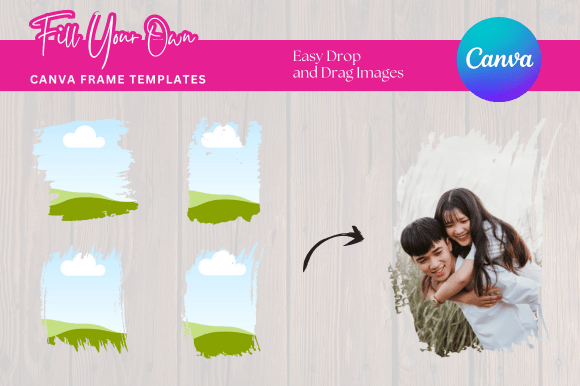
When choosing a set of Brush Canva Mockup Templates, look for variety in the layout. Do the four pages offer different perspectives or arrangements? A good set will give you options for different content types—one for a full-image background, one for a split-layout, and perhaps one for text-heavy announcements.
Ultimately, these templates are design assets meant to save you time and elevate your output. They remove the friction of starting from a blank canvas and provide a proven framework for visual communication. By utilizing them effectively, you ensure that your work—whether it’s a new brand identity or a daily social media update—resonates with clarity and professionalism.