EBook Templates for Canva: Fast-Track Your Digital Publishing
You have the knowledge. You have the audience. The gap between your expertise and a polished, professional digital product often feels like a chasm of time and design skill. This is where a well-structured EBook Templates for Canva becomes your most valuable asset. It’s not just a pre-made layout; it’s a strategic framework that transforms your content into a compelling visual narrative, ready for your audience in a fraction of the time.
Beyond the Blank Page: The Anatomy of a Functional Template
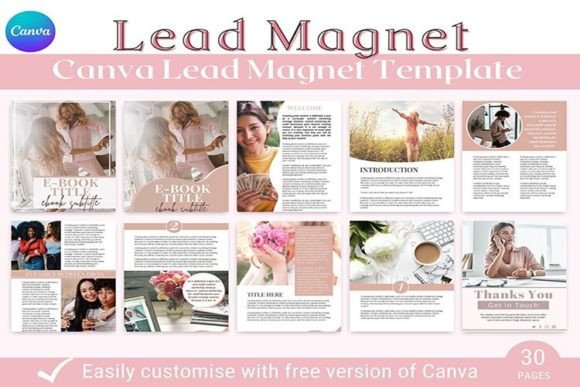
A quality template is more than pretty pages. It’s a system designed for clarity and flow. Consider a typical 26-page package: it strategically includes two distinct cover designs to set the tone, paired tables of contents and welcome pages to guide the reader, and a dedicated “About the Author” section to build credibility. The core, however, lies in the 12 versatile content pages, supplemented by tip boxes, checklists, and a final thank you page. This structure mirrors the natural progression of a reader’s journey, from discovery to engagement to action. The visual personality is clean and modern, prioritizing readability with ample white space, clear typographic hierarchy, and intuitive navigation. This style isn’t about being trendy; it’s about being timeless and trustworthy, ensuring your content remains the star.
Strategic Applications: Where This Template Shines
The true power of this workbook template Canva asset lies in its adaptability. For bloggers and course creators, it’s the perfect vehicle to repurpose and package existing content into a high-value lead magnet. Imagine turning your most popular blog series into a downloadable guide that captures email subscribers. For marketers, it becomes a rapid-deployment tool for creating professional PDF template for blogger guides, client reports, or internal training manuals. The consistent brand identity it provides across all touchpoints elevates perception instantly. Even for personal projects, like a crafter documenting a process or a hobbyist creating a community zine, the template provides a professional scaffold that makes the final product feel polished and complete. Its strength is in its utility—it’s a design asset that solves the “how do I make this look good?” problem definitively.
Design Intelligence: Readability, Hierarchy, and Perception
How a document feels to read is as important as what it says. This is where smart modern typography and layout principles embedded in the template do the heavy lifting. The careful use of a sans serif font for body text ensures screen readability, while a complementary serif font or a subtle script font for headings can add personality without sacrificing function. This deliberate font pairing creates a clear visual hierarchy, guiding the eye from headline to subhead to body copy effortlessly. The result is a document that feels professional and authoritative. A cluttered, poorly spaced layout can make even brilliant content feel amateur. Conversely, a well-structured ebook template communicates competence and care, building subconscious trust with your audience. This attention to detail in editorial design directly influences engagement; readers are more likely to consume and share content that is a pleasure to navigate.
Making It Your Own: Practical Customization Guide
Adopting a template is a starting point, not the final destination. The goal is to mold it to your brand identity. Start by evaluating the provided styles. Does the default color palette align with your brand? Canva makes swapping colors globally a simple task. Next, consider your typography. While the template may suggest a creative font combination, ensure it aligns with your existing brand fonts for consistency. If you use a specific premium font in your logo and marketing, integrate it here. This is where understanding font licensing is crucial—ensure any font you upload for commercial use is properly licensed.
Test the flow with your actual content. Does a long-form article fit the content pages, or do you need to adjust text boxes? Use the checklist and tip pages to break up dense information and improve retention. Think of the template as a flexible container. A blogger might use the “Welcome Page” as a powerful introduction to their free guide, while a small business owner could repurpose it as a “How to Use This Resource” section for a client workbook. The key is to move from the generic template to a specific, branded tool that feels uniquely yours.
In the landscape of digital publishing, speed and quality are often at odds. An intelligently designed EBook Templates for Canva resolves that conflict. It provides the design assets and structural logic of a professional publisher, empowering you to focus on what you do best: creating valuable content. Whether you’re building an email list, enhancing a course, or establishing thought leadership, starting with a robust foundation like this is the most efficient path from idea to impact.